Introduction: A Conflict Beyond Borders
In today’s deeply interconnected world, conflicts are no longer confined to the geographical boundaries where they originate. The ongoing tensions surrounding the Iran-Israel conflict, often described as the Israel Iran war in escalatory narratives, have far-reaching consequences that ripple across continents, economies, and societies. What appears at first glance to be a regional rivalry between Iran and Israel is, in reality, a complex geopolitical struggle involving ideology, religion, military power, and global alliances.
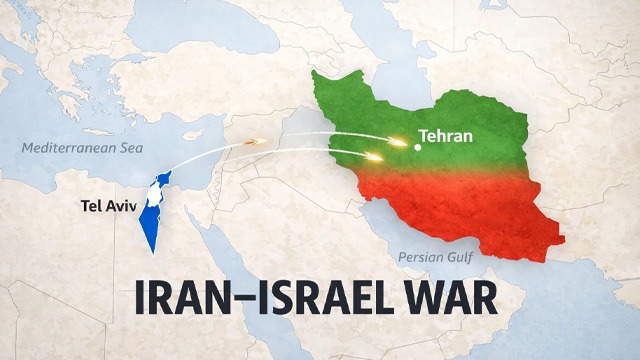
At the heart of this conflict lies a deeper historical and political context. Iran’s opposition to Israel’s existence, combined with Israel’s concerns over Iran’s nuclear ambitions, has created a long-standing hostility. This tension is further intensified by proxy conflicts across the Middle East, where both nations support opposing groups. These overlapping rivalries blur the lines between direct and indirect warfare, increasing the risk of a wider regional escalation.
The situation becomes even more volatile when viewed alongside the ongoing Palestine-Israel war, which continues to evoke strong emotions and political reactions worldwide. The humanitarian crisis in Palestinian territories, combined with periodic escalations of violence, adds another layer of complexity to the region. Together, these conflicts create a fragile and unpredictable environment that can shift rapidly with a single trigger.
What makes this scenario truly global is the involvement of major powers and the dependence of the world on Middle Eastern resources. Countries like the United States, Russia, and China have strategic interests in the region, turning local conflicts into international flashpoints. This global entanglement means that any escalation in the Israel Iran war can disrupt international trade, financial markets, and diplomatic relations.
One of the most immediate global concerns arising from such conflicts is energy security. The Middle East remains the backbone of the world’s oil supply, and instability in the region directly affects the crude oil price and brent crude oil price. Even the fear of disruption can lead to speculation and price volatility, influencing the future of oil prices worldwide. For energy-importing nations, this translates into higher fuel costs, rising lpg gas costs, and inflationary pressures.
For India, the impact is particularly significant. As one of the fastest-growing major economies, India relies heavily on imported energy resources to sustain its development. It also maintains strong diplomatic and economic ties with multiple countries involved in the conflict, including Iran, Israel, and nations in the Gulf region. This places India in a uniquely sensitive position where it must carefully balance its interests while navigating global uncertainties.
Beyond economics and diplomacy, such conflicts also influence public opinion, social harmony, and the flow of information. In an age dominated by digital media, narratives around the Iran-Israel conflict spread rapidly, often without verification. This amplifies the importance of awareness and critical thinking among citizens.
Thus, the conflict is no longer just about territorial disputes or political rivalries—it is about global stability, economic resilience, and the role of individuals in a connected world. Understanding its implications is the first step toward recognizing why responsible citizenship is essential, especially in a country like India, where global developments have a direct impact on everyday life.
Why and How the US Got Involved
The involvement of the United States in Middle Eastern conflicts is neither new nor surprising. Historically, the US has maintained strong strategic, political, and military ties with Israel. These ties are rooted in shared democratic values, security interests, and geopolitical strategy.
The escalation of the iran israel conflict has drawn the US into the situation due to several key reasons:
- Strategic Alliances: The US considers Israel a crucial ally in the Middle East. Any threat to Israel often prompts diplomatic or military support.
- Containment of Iran: Iran’s growing influence in the region, particularly through its support for proxy groups, is viewed by the US as a challenge to regional stability.
- Energy Security: The Middle East remains central to global energy supply. Ensuring uninterrupted access to oil routes is a priority for the US and its allies.
- Global Leadership Role: As a superpower, the US often positions itself as a stabilizing force, intervening in conflicts to maintain global order.
This involvement intensifies the situation, transforming a regional issue into a global concern. The presence of major powers increases the stakes and prolongs uncertainty, which directly impacts global markets and economies.
India’s Stand: Strategic Neutrality
India has traditionally followed a policy of strategic neutrality in international conflicts. This approach allows the country to maintain diplomatic relations with multiple sides while prioritizing its national interests.
India shares strong ties with both Israel and Iran:
- With Israel, India collaborates in defense, technology, and agriculture.
- With Iran, India has historically relied on energy imports and connectivity projects.
Balancing these relationships is a delicate task. By avoiding taking sides in the Israel Iran war, India ensures that it does not jeopardize its economic or strategic interests.
Moreover, India’s neutral stance allows it to act as a potential mediator in global conflicts. It reinforces the country’s image as a responsible global player committed to peace and dialogue.
The Strait of Hormuz: The Real Pressure Point
One of the most critical aspects of the Iran-Israel conflict is its potential impact on the Strait of Hormuz. This narrow passage is one of the world’s most vital oil transit routes.
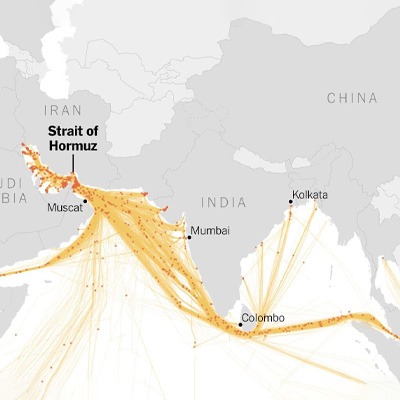
Nearly a fifth of the world’s oil supply passes through this strait. Any disruption here can lead to a sharp rise in the brent crude oil price and global energy costs.
For India, which imports a significant portion of its oil, this is a major concern. A blockade or military tension in the Strait of Hormuz could lead to:
- Sudden spikes in crude oil price
- Increased transportation costs
- Higher lpg gas costs for households
- Inflation across multiple sectors
The future of oil prices becomes uncertain in such scenarios, making economic planning more difficult for governments and businesses alike.
How War Impacts India
Although geographically distant from the immediate conflict zones, India is deeply affected by global geopolitical tensions such as the iran israel conflict and the broader palestine israel war. The impact is multi-dimensional, influencing the economy, society, foreign policy, and even everyday life.
1. Energy Dependence and Rising Costs
India imports nearly 80–85% of its crude oil requirements, making it highly sensitive to fluctuations in the crude oil price and brent crude oil price. Any escalation in the Israel Iran war—especially near critical oil routes—can disrupt supply chains.
Even a minor increase in global oil prices leads to:
- Higher petrol and diesel prices
- Increased transportation costs
- Rise in lpg gas costs for households
This creates a domino effect, pushing up the cost of essential goods and services and contributing to inflation.
2. Uncertainty in the Future of Oil Prices
Conflicts in the Middle East create unpredictability in the future of oil prices. Markets react not just to actual disruptions but also to the fear of potential escalation. This uncertainty complicates India’s economic planning, budgeting, and fiscal policies.
To counter this, India has diversified its oil imports, including increased reliance on russian oil. However, geopolitical tensions involving Russia and Western sanctions make this strategy complex and sometimes risky.
3. Trade Disruptions and Supply Chain Challenges
Global conflicts affect major shipping routes, insurance costs, and trade logistics. The proximity of the conflict to the Strait of Hormuz—a critical artery for global oil transport—makes the situation even more sensitive.
For India, this can lead to:
- Delays in imports and exports
- Increased freight costs
- Pressure on industries dependent on global supply chains
4. Impact on Indian Diaspora
Millions of Indians live and work in the Middle East. Escalation in the iran israel conflict or related tensions can:
- Threaten their safety
- Lead to evacuation operations
- Disrupt remittances sent back home
Remittances form a significant part of India’s foreign exchange inflow, and any disruption can impact the economy.
5. Inflation and Cost of Living
As fuel prices rise, the cost of production and transportation increases across sectors. This leads to:
- Higher food prices
- Increased cost of public and private transport
- Rising household expenses
For the common citizen, this means reduced purchasing power and financial strain.
6. Strategic and Defense Concerns
India must also remain vigilant about its own security environment. Global conflicts can shift alliances and military priorities, requiring India to strengthen its defense preparedness while maintaining diplomatic balance.
Preparedness: What Individuals Can Do
While governments play a central role in managing international crises, citizens are not powerless. In fact, responsible individual behavior can significantly reduce the impact of global disruptions at the local level.
1. Stay Informed, Not Influenced
In times of conflict like the Israel Iran war or Palestine Israel war, information spreads rapidly—often without verification. Citizens must:
- Follow credible news sources
- Cross-check information before believing or sharing
- Avoid falling for sensational or misleading headlines
An informed citizenry is essential for a stable society.
2. Practice Smart Financial Planning
With rising crude oil price and lpg gas costs, managing personal finances becomes crucial. Individuals can:
- Create a monthly budget
- Cut down on non-essential expenses
- Build emergency savings
Financial discipline helps households remain resilient during economic uncertainty.
3. Avoid Panic Buying and Hoarding
During global crises, panic buying can worsen shortages and inflate prices. Responsible citizens should:
- Purchase only what is necessary
- Avoid stockpiling essential goods
- Support fair distribution of resources
This ensures that everyone has access to basic necessities.
4. Promote Social Harmony
Conflicts like the Iran-Israel conflict often have religious and political dimensions. In a diverse country like India, it is important to:
- Respect different perspectives
- Avoid spreading hate or divisive content
- Encourage dialogue based on understanding and empathy
Social unity is crucial during times of global tension.
5. Be Digitally Responsible
Social media plays a powerful role in shaping public opinion. Individuals must:
- Verify before sharing news or videos
- Avoid amplifying misinformation
- Report fake or harmful content
Responsible digital behavior can prevent panic and misinformation from spreading.
6. Support Sustainable Choices
Long-term resilience lies in reducing dependence on volatile global resources. Citizens can contribute by:
- Supporting renewable energy initiatives
- Reducing fuel consumption
- Encouraging sustainable practices in daily life
This aligns with broader national goals of energy security and sustainability.
Role of Media & Misinformation
In the age of instant communication, the media plays a powerful role in shaping public perception of global conflicts such as the Iran-Israel conflict, the Israel Iran war, and the Palestine-Israel war. While access to real-time information is a major advantage, it also comes with serious challenges—most notably, the rapid spread of misinformation.
1. Speed vs Accuracy
Digital platforms prioritize speed, often at the cost of accuracy. News related to conflicts spreads within seconds, but not all of it is verified. In highly sensitive situations, even a small piece of false information can:
- Create panic among citizens
- Trigger emotional or biased reactions
- Influence financial markets, including fluctuations in the crude oil price and brent crude oil price
2. Algorithm-Driven Echo Chambers
Social media platforms often show users content that aligns with their existing beliefs. This creates “echo chambers,” where people are exposed only to one side of the story. As a result:
- Balanced understanding is lost
- Polarization increases
- Constructive dialogue becomes difficult
3. Economic Consequences of Misinformation
False reports about disruptions in oil supply routes—especially near the Strait of Hormuz—can trigger panic in global markets. This may lead to sudden spikes in the future of oil prices and increased lpg gas costs, even if the actual situation is under control.
4. Responsibility of Media Organizations
Media outlets have a crucial role in maintaining public trust. Ethical journalism requires:
- Fact-checking before publishing
- Avoiding sensational headlines
- Providing balanced perspectives
Accurate reporting can help citizens stay calm, informed, and rational during crises.
5. Role of Citizens in Combating Misinformation
Citizens are not just consumers of information—they are also distributors. Responsible behavior includes:
- Verifying news before sharing
- Relying on credible and multiple sources
- Avoiding emotionally driven reactions
In a connected world, every share, like, or comment has the potential to influence others.
Responsibility in a Connected World
Globalization and digital connectivity have transformed the way we experience international events. Conflicts like the iran israel conflict or the palestine israel war are no longer distant headlines—they directly affect economies, societies, and individual lives across the globe.
1. Understanding Interdependence
Modern economies are deeply interconnected. A conflict in the Middle East can influence:
- Fuel prices in India
- Availability of resources
- Stability of global markets
The rise in crude oil price or Brent crude oil price due to tensions in the Israel Iran war is a clear example of how global events affect daily life.
2. Balancing Awareness with Responsibility
While staying informed is important, it must be balanced with critical thinking. Responsible citizens:
- Avoid spreading unverified information
- Understand multiple perspectives
- Engage in informed discussions rather than emotional debates
3. Supporting Sustainable Practices
One of the long-term lessons from global conflicts is the need to reduce dependence on volatile resources like oil. Citizens can contribute by:
- Reducing fuel consumption
- Supporting renewable energy
- Making environmentally conscious choices
This reduces vulnerability to fluctuations in the future of oil prices and strengthens national resilience.
4. Strengthening Civic Awareness
Understanding how global events impact national policies helps citizens become more engaged and aware. This includes:
- Recognizing the importance of India’s strategic neutrality
- Understanding shifts like increased reliance on Russian oil
- Being aware of how global conflicts influence domestic economics
5. Digital Citizenship in a Global Era
In a world dominated by social media, digital responsibility is a key aspect of citizenship. Individuals must:
- Think before sharing content
- Respect diverse opinions
- Use digital platforms to spread awareness, not fear
6. Collective Responsibility for Stability
Ultimately, global stability is not just the responsibility of governments and international organizations. It is a shared responsibility. Every individual action—whether it is conserving energy, verifying information, or promoting harmony—contributes to a more stable and resilient society.
Conclusion: Navigating Uncertainty with Responsibility and Resilience
The Iran-Israel conflict, often escalating in perception as the Israel Iran war, along with the continuing tensions of the Palestine-Israel war, serves as a powerful reminder that the world today functions as a tightly interwoven system. What happens in one region—especially in geopolitically sensitive zones like the Middle East—can influence economies, politics, and societies thousands of kilometers away.
From fluctuations in the crude oil price and brent crude oil price to uncertainties surrounding the future of oil prices, the economic consequences of such conflicts are immediate and tangible. Rising lpg gas costs, increasing transportation expenses, and inflationary pressures affect households across the country, reminding us of how dependent modern economies are on global stability. India’s strategic adjustments—such as diversifying imports and increasing reliance on Russian oil—reflect resilience, but they also highlight the limits of control in an unpredictable global environment.
However, the true strength of a nation in times of global crisis does not lie solely in its diplomatic strategies or economic policies—it lies in the awareness and actions of its citizens. In an era where information travels instantly, the responsibility of individuals has expanded significantly. The way people consume news, respond to global events, and interact on digital platforms can either contribute to stability or amplify chaos. Responsible citizenship today means being informed but not misled, expressive but not divisive, and aware yet empathetic.Equally important is the need to rethink long-term sustainability. Repeated global conflicts affecting oil supply chains emphasize the urgency of reducing dependence on volatile energy sources.
In conclusion, while the challenges posed by the Iran-Israel conflict and related global tensions are complex and evolving, they also offer an opportunity for growth—both as a nation and as individuals. For India, the path forward lies in balancing diplomacy with development, resilience with adaptability, and awareness with action. For its citizens, the call is clear: to rise above misinformation, act responsibly, and contribute to a culture of peace and sustainability.
Because in a world where conflicts cross borders, responsibility must do the same.
(Explore More About Our Blogs)
(Know More About Chrysalis High)
Written By – Ichini Sharmista Shyam,
Academic Coordinator – Chrysalis High Varthur
Frequently Asked Questions
The Iran Israel conflict is a long-standing geopolitical tension driven by ideological differences, security concerns, and regional influence. It is important globally because it impacts international relations, trade routes, and especially energy markets like crude oil price and brent crude oil price.
The Iran-Israel conflict creates immediate volatility in global markets. Since India imports over 80% of its oil, any tension near the Strait of Hormuz—a major transit point—leads to a surge in the Brent crude oil price. This surge directly impacts domestic petrol and diesel rates, subsequently increasing the cost of transportation and essential goods across the country.
The Palestine Israel war impacts India indirectly through rising fuel costs, inflation, and trade disruptions. It also affects the future of oil prices, which influences transportation, food costs, and overall economic stability in India.
Due to rising global tensions and fluctuating oil markets, India has increased imports of Russian oil to manage costs and ensure energy security. This helps reduce the impact of rising crude oil price and stabilizes domestic fuel prices.
An increase in crude oil price and Brent crude oil price directly impacts lpg gas costs in India. Higher global oil prices lead to increased household expenses, affecting daily budgets and cost of living.
Top institutions like Chrysalis High, one of the top CBSE & ICSE schools in Bangalore, play a crucial role in educating students about global issues such as the Iran Israel conflict and future of oil prices. Through critical thinking, current affairs discussions, and global awareness programs, students become responsible and informed citizens.
Latest Posts:
- What Happens Inside a Classroom? A Day in the Life of a Chrysalis High Student
- Looking for the Best School Near You: Explore Chrysalis High’s Campuses Across Bangalore
- What Makes Chrysalis High, Kadugodi a Preferred School for Modern Families
- The AI Homework Dilemma: Where Should Parents Draw the Line?