Have you ever wondered how these seven wonders of the world were chosen and which are the newly elected Seven Wonders of the World? So this all started in the year 2000 by a Swiss foundation. They started a campaign to find the New Seven Wonders of the World. The original Seven Wonders of the World list was made a time ago in the 2nd century BCE. Do you know what? Only one of them is still standing today. The Pyramids of Giza. So it was time to make a list. Many people around the world thought this was just an idea as more than 100 million people voted for their favourite wonders on the internet or by sending text messages. The results were announced in 2007. People were happy and sad at the time as some famous places, like the Acropolis in Athens did not make it to the list.
The 7 Wonders of the World are still very interesting to people today. They make us feel proud, curious and amazed at the same time. Many students learn about the wonders in history class. Today we are going to talk about the new 7 Wonders of the World. These amazing places were chosen in 2007 after people around the world voted for them.
These places are called the 7 Monuments of the World because they hold a special place in the history and are very important for our culture, architecture and history. Each one of them has a story to tell about the people who built them and the cultures they come from.
Let’s take a look at each wonder, its history and some interesting facts about it.
1. The Great Wall of China in China
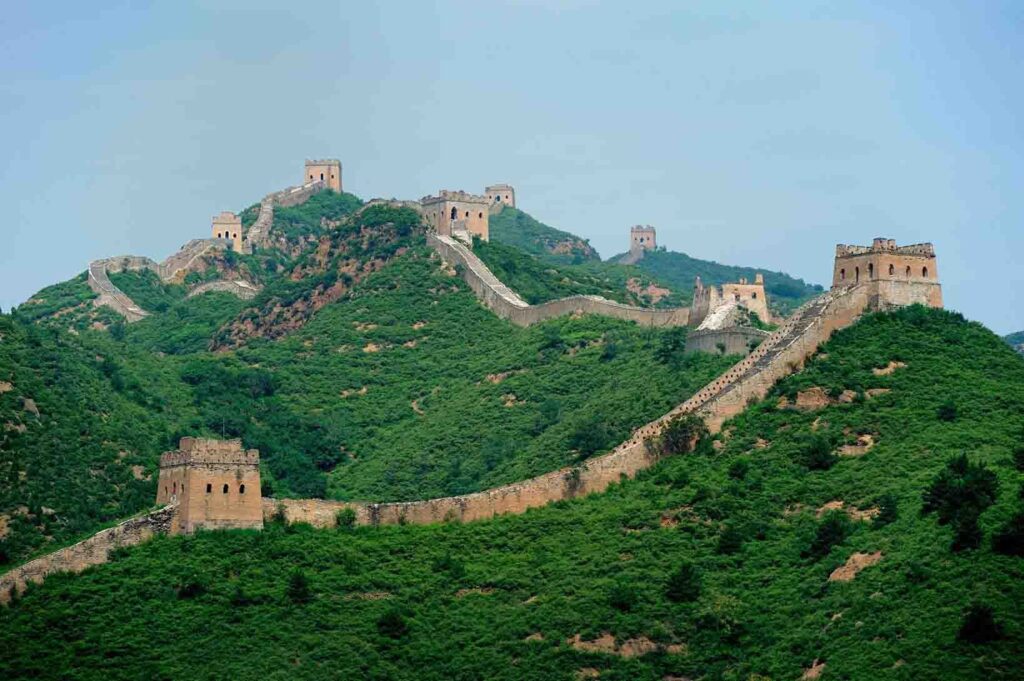
The Great Wall of China is one of the famous structures in the world and it is very important for Chinese history. People started building the wall in the 7th century BCE. Different Chinese dynasties contributed and added to the wall over time during the Ming Dynasty.
Why was the Great Wall of China built?
The wall was built to protect China from attacks by tribes from the north. It also helped to control trade and immigration along the Silk Road.
Some interesting facts about the Great Wall of China are:
* The wall is over 13,000 miles long.
* It is made of stone, brick and earth.
* You cannot see it clearly from space with your eyes.
Today the Great Wall of China is a UNESCO World Heritage Site and many people visit it every year. It shows us what people can do when they work together and use their skills.
2. Petra in Jordan
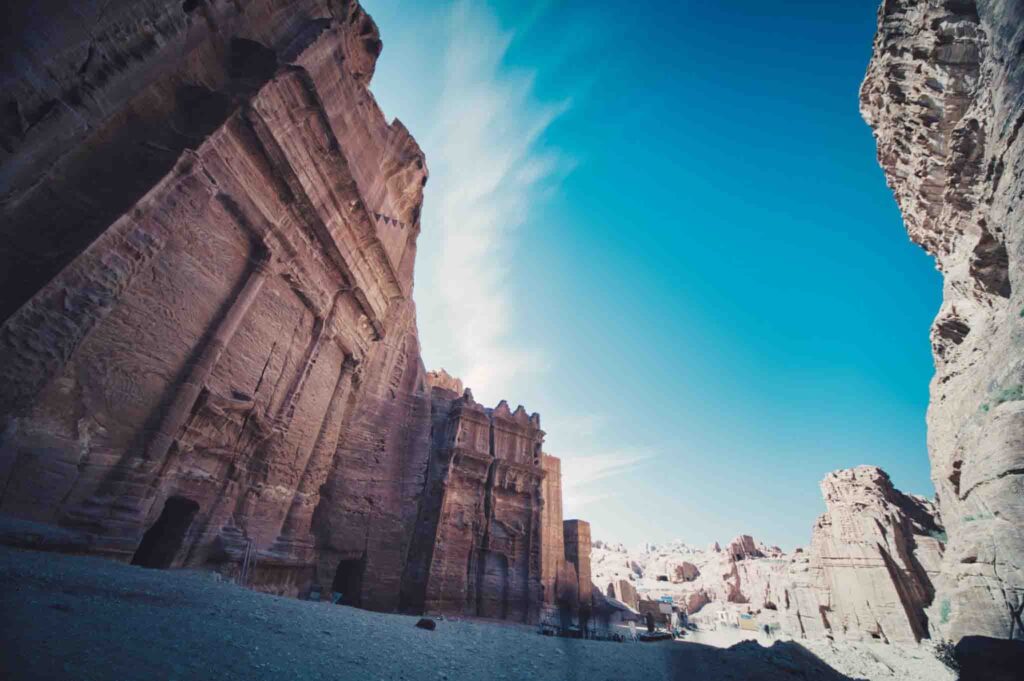
Petra is a city that was carved into sandstone cliffs. It was built by the Nabataeans around the century BCE and later became an important place for trade.
What is special about Petra?
The people who built Petra did not use bricks or stones to build their city. Instead they carved the city into the rocks. The famous building in Petra is Al-Khazneh, which is also called The Treasury. It is at the end of a canyon called the Siq.
Some interesting facts about Petra are:
* Petra had a system for managing water.
* A Swiss explorer named Johann Ludwig Burckhardt found it again in 1812.
* It has been in some movies.
Petra teaches us about creativity, trade and how to survive in the desert.
3. Christ the Redeemer in Brazil
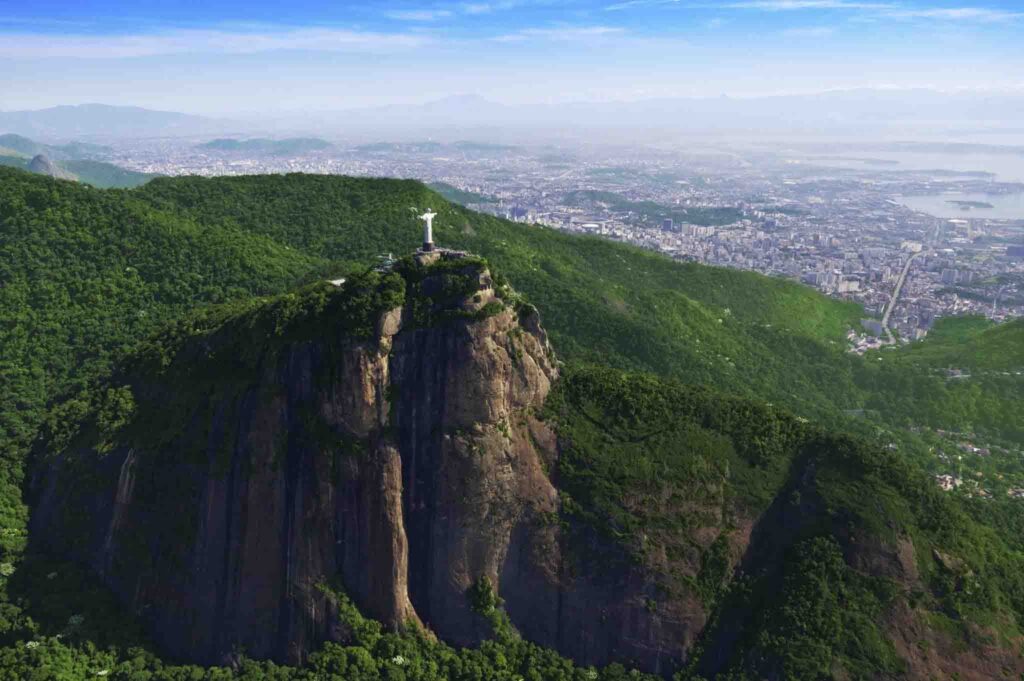
Christ the Redeemer is Colossal Art Deco statue in Rio de Janeiro, Brazil. It was finished in 1931. It represents peace and welcome.
Some key facts about Christ the Redeemer are:
* The statue is 98 feet tall with its arms spanning 92 feet tall.
* It stands on Corcovado Mountain.
* It is made of concrete and soapstone.
The statue is a symbol of Christianity. It has become an icon of Brazil. It also represents unity and hope for people around the world.
Many people think it is one of the impressive monuments in the world because of its beauty and recognition.
4. Machu Picchu in Peru
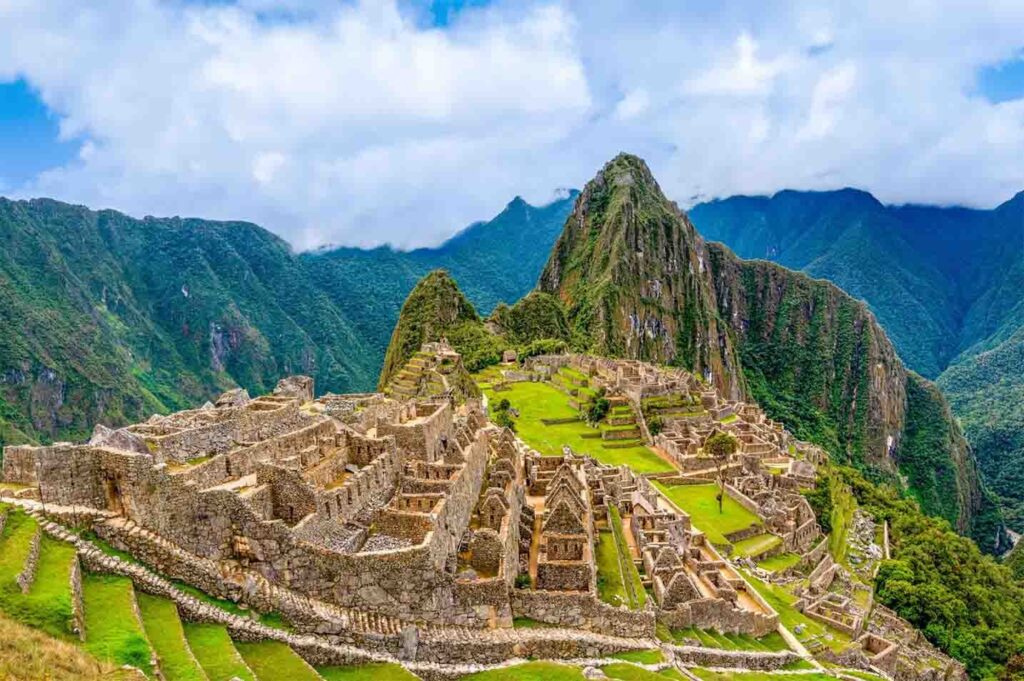
Machu Picchu is an Inca city in the Andes Mountains of Peru. It was built in the century during the time of Emperor Pachacuti.
Why is Machu Picchu important?
Many historians think it was either an estate or a sacred place for religion. It shows how advanced the Inca civilization was in engineering.
Some fascinating facts about Machu Picchu are:
* It is 7,972 feet above sea level.
* An explorer named Hiram Bingham found it again in 1911.
* The stones fit together well that no mortar was needed to hold them.
Despite earthquakes and bad weather Machu Picchu still stands strong. It shows how people can build things that work well with nature.
5. Chichen Itza in Mexico
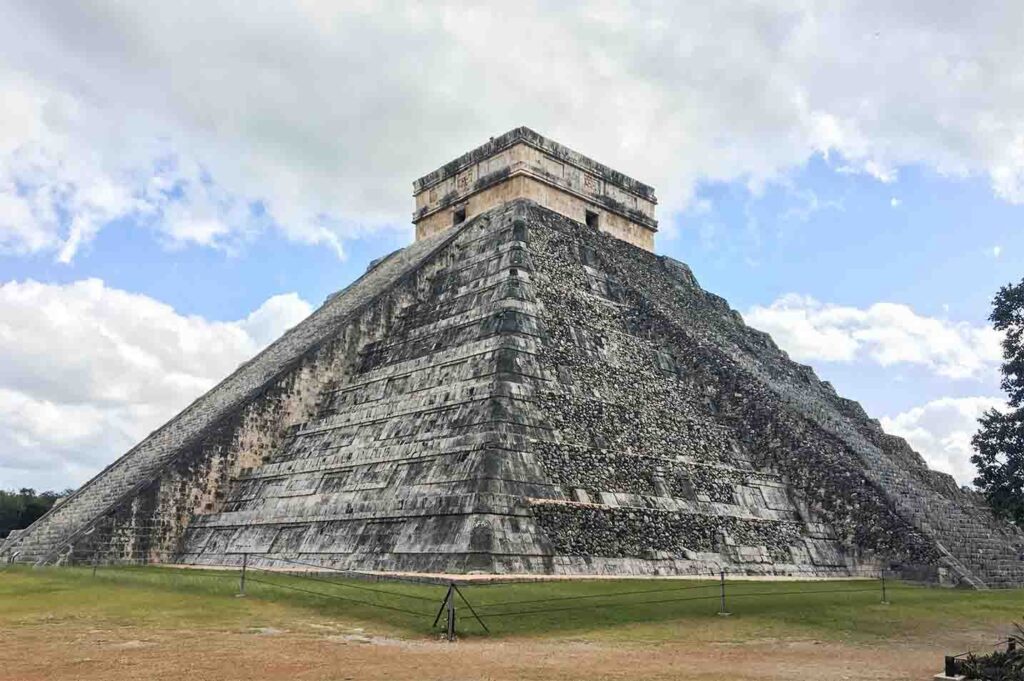
Chichen Itza was a city of the Maya civilization between the 12th centuries. It is famous for the pyramid called El Castillo, which is also known as the Temple of Kukulcán.
What makes Chichen Itza special?
The pyramid shows how advanced the Maya people were in astronomy and mathematics.
One amazing fact about Chichen Itza is:
During the spring and autumn the shadow of the sun makes it look like a serpent is moving down the pyramids steps. This is a tribute to the feathered serpent god Kukulcán.
Chichen Itza teaches us how ancient civilizations understood science, time and the movement of the planets a time ago.
6. The Colosseum in Italy
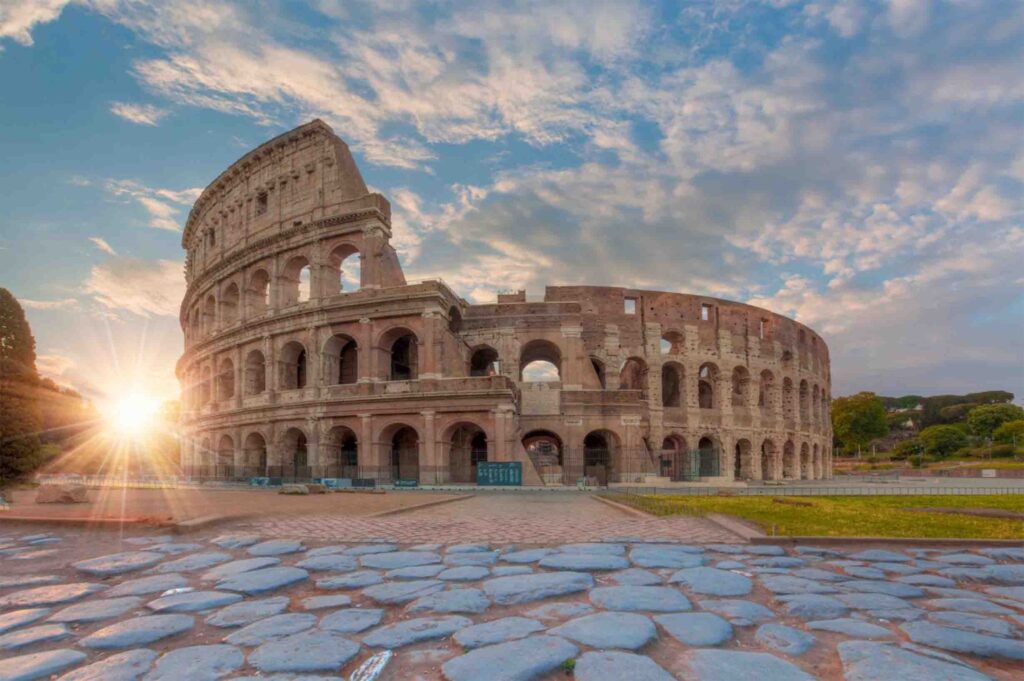
The Roman Colosseum or can also say Flavian Amphitheatre is in the heart of Rome, Italy. It was finished in first century under Emperor Titus. It is one of the examples of Roman engineering.
What was the Colosseum used for?
It was used for gladiator fights, public events, animal hunts and fake sea battles.
Some key facts about the Colosseum are:
* It could hold 50,000 to 80,000 people.
* It had a system underneath called the hypogeum.
* It is one of Italys visited landmarks.
The Colosseum represents the power and culture of the Roman Empire. Even though it is damaged it is still a symbol of architecture.
7. The Taj Mahal in India
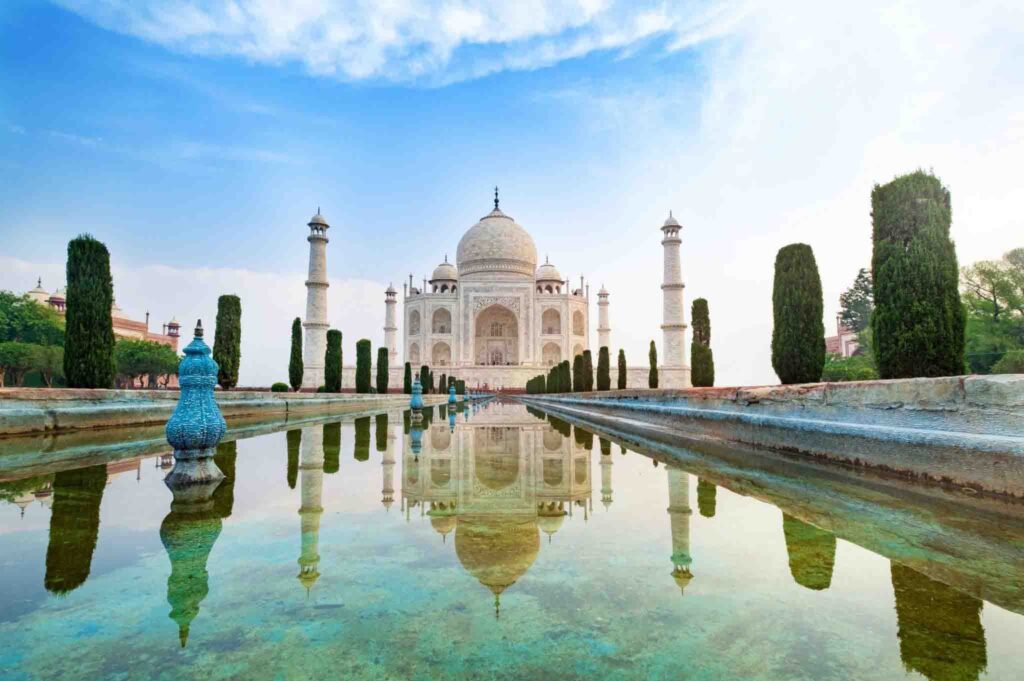
The Taj Mahal is often called the wonder of the world because it is so beautiful and has a sad love story. It was built between 1632 and 1653 by Mughal Emperor Shah Jahan for his wife Mumtaz Mahal.
What makes the Taj Mahal special?
* It is made of marble that changes color in light.
* It is decorated with stones.
* It is surrounded by gardens and pools.
The Taj Mahal is a symbol of love, devotion and great art. Its perfect symmetry and delicate carvings make it one of the admired buildings in the world.
For people it is the emotional and beautiful of the seven modern wonders of the world.
Why are the 7 Wonders of the World important for students?
Learning about the 7 wonders of the world helps students understand cultures, appreciate architecture and engineering learn about history and become more aware of the world. These monuments inspire us. They show us what people can do when they work together.
Preserving the Seven Modern Wonders of the World
All seven wonders are still standing today. They face problems like pollution, climate change and many tourists. Governments and international organizations are working to protect these sites so future generations can enjoy them.
Students and families can help by respecting these sites when they visit. They can also be learning about conservation and telling others about the importance of preserving our heritage.
In conclusion in the 7 Wonders of the World, the seven wonders represent the best of human creativity and history. These monuments remind us that people from cultures and times can build something meaningful and lasting.
From the Great Wall of China, to the Taj Mahal each monument tells a story of ambition, faith, love, power and imagination.
(Explore More About Student Corner Blogs)
(Know More About Chrysalis High School)
Written By – Swapna Paranjpe,
Secondary Teacher – Chrysalis High Budigere
Frequently Asked Questions
The 7 Wonders of the World are the Great Wall of China, Petra, Christ the Redeemer, Machu Picchu, Chichen Itza, the Colosseum, and the Taj Mahal. These seven modern wonders of the world were selected in 2007 through a global voting campaign to recognize extraordinary monuments of historical and cultural importance.
The Taj Mahal in India is often referred to as the 7th wonder of the world because of its breath taking architecture, historical significance, and symbol of eternal love. It is one of the most visited and admired monuments in the world.
The original seven wonders of the ancient world were chosen by Mediterranean travelers in the 2nd century BCE and were entirely clustered around Europe, Africa, and the Middle East. The seven modern wonders of the world were selected in 2007 through a global campaign involving over 100 million votes, resulting in a much more globally diverse list that spans Asia, the Americas, and Europe.
The Great Wall of China and the Taj Mahal are among the most visited of the seven wonders of the new world. Millions of tourists travel to these iconic landmarks every year to experience their history, beauty, and cultural significance.
The seven wonders of the new world were chosen through a global public voting campaign launched by the Swiss-based New7Wonders Foundation in 2000. More than 100 million people voted online and via text messages for their favourite monuments from over 200 nominated sites. The results were announced on July 7, 2007, in Lisbon, Portugal, officially declaring the Great Wall of China, Petra, Christ the Redeemer, Machu Picchu, Chichen Itza, the Colosseum, and the Taj Mahal as the winners.
Latest Posts:
- What Makes Chrysalis High the Smart Choice for Bannerghatta Families
- What Happens Inside a Classroom? A Day in the Life of a Chrysalis High Student
- Looking for the Best School Near You: Explore Chrysalis High’s Campuses Across Bangalore
- What Makes Chrysalis High, Kadugodi a Preferred School for Modern Families