The story of Narendra Modi is one of the most compelling narratives in contemporary India—a journey that reflects resilience, ambition, and unwavering dedication to public service. Rising from a modest background to becoming the Prime Minister of India, his life is often cited as a powerful example of how determination and vision can transform one’s destiny. This blog explores the inspiring journey of Narendra Modi, tracing his life from a tea seller in a small town to one of the most influential leaders on the global stage.
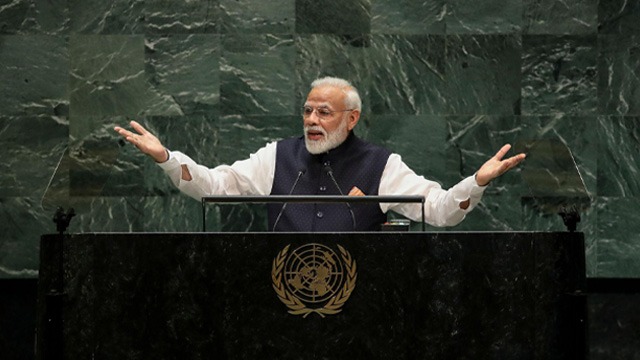
Humble Beginnings in Vadnagar
Narendra Modi was born on September 17, 1950, in Vadnagar, a quiet town in the state of Gujarat. Coming from a financially modest family, his early life was shaped by simplicity and struggle. His father, Damodardas Modi, ran a tea stall at a railway station, and young Narendra often assisted him.
The experience of being a tea seller was not merely a childhood responsibility—it played a foundational role in shaping his personality. Interacting with people from different walks of life helped him develop strong communication skills and a deep understanding of common citizens’ challenges.
Despite economic limitations, Modi showed a strong inclination toward learning and self-improvement. He was known for his discipline, curiosity, and active participation in school activities such as debates and drama. These early traits would later define his leadership style.
The Making of a Leader
The phrase “tea seller to Prime Minister” symbolizes more than just a journey—it represents hope and possibility. Narendra Modi’s early life experiences instilled in him a sense of empathy and determination that became central to his leadership approach.
From a young age, he was drawn toward service and nation-building. This inclination led him to join the Rashtriya Swayamsevak Sangh (RSS), where he worked as a dedicated pracharak. The RSS played a crucial role in shaping his discipline, organizational skills, and ideological foundation.
His years in the RSS were marked by hard work, travel, and grassroots engagement. He learned the importance of teamwork, strategic planning, and connecting with communities—skills that would later define his political success.
Entry into the Bharatiya Janata Party
Narendra Modi’s transition into mainstream politics began with his association with the Bharatiya Janata Party (BJP). Within the party, he quickly gained recognition for his strategic thinking and organizational capabilities.
Unlike many political leaders who begin their careers in the spotlight, Modi spent years working behind the scenes. He played a key role in strengthening the party’s presence, managing campaigns, and building grassroots networks.
His dedication and efficiency did not go unnoticed. Over time, he rose through the ranks, becoming one of the most trusted and influential leaders within the BJP.
Rise as Chief Minister of Gujarat
A major turning point in Narendra Modi’s political journey came in 2001, when he was appointed as the Chief Minister of Gujarat. Taking charge during a challenging period, he focused on rebuilding and transforming the state. Modi went on to serve as Chief Minister for four consecutive terms (2001–2014), making him one of the longest-serving leaders in the state’s history.
Under his leadership, Gujarat witnessed rapid economic growth, improved infrastructure, and increased industrial development. Initiatives aimed at attracting investment, such as Vibrant Gujarat summits, and efforts to streamline governance contributed significantly to the state’s progress. His tenure emphasized policy implementation, administrative efficiency, and long-term planning.
The “Gujarat Model” became widely discussed across India, with supporters highlighting its focus on development, industrial expansion, and ease of doing business. Modi’s administrative style, marked by decisiveness, centralized decision-making, and accountability, earned him national recognition and positioned him as a key national leader.
The Road to Prime Minister
In 2014, Narendra Modi led the Bharatiya Janata Party (BJP) to a historic electoral victory, becoming the 14th Prime Minister of India. His campaign emphasized development, good governance, and corruption-free administration, resonating strongly with a wide spectrum of voters.
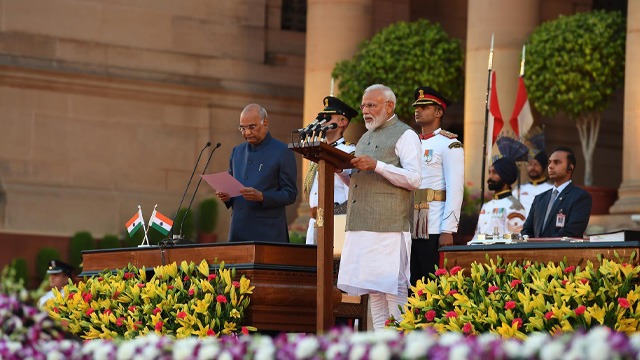
The election marked a significant shift in Indian politics, as it resulted in a single-party majority after decades of coalition governments. Modi’s strong communication skills, grassroots connect, and clear developmental narrative played a crucial role in this success.
His leadership was reaffirmed in 2019 when he secured a second consecutive term as Prime Minister. In 2024, he was elected for a third consecutive term, further strengthening his position as one of the most influential leaders in modern Indian politics. This continued electoral success reflects sustained public support and the lasting impact of his leadership on the national stage.
Leadership Style and Public Connect
Narendra Modi is known for his dynamic leadership style and strong communication skills. He has effectively utilised modern platforms such as Twitter to engage with citizens and share updates.
Programs like “Mann Ki Baat” have allowed him to communicate directly with people, creating a sense of connection and accessibility. His speeches often emphasise national pride, development, and collective responsibility.
His leadership approach combines traditional values with modern governance strategies, making him a unique figure in contemporary politics.
Key Initiatives and Transformational Reforms
As Prime Minister, Narendra Modi has introduced several initiatives aimed at transforming India across sectors such as technology, sanitation, manufacturing, and financial inclusion:
Digital India
Launched in 2015, this flagship initiative focuses on making technology accessible to all citizens, promoting digital literacy, and strengthening online infrastructure. It has driven the expansion of internet connectivity, digital payments, and e-governance services, enabling greater transparency and efficiency in public service delivery. The program has also played a key role in advancing India’s digital economy.
Swachh Bharat Abhiyan
Introduced in 2014, this nationwide movement aims to improve cleanliness and sanitation across the country. It has significantly raised awareness about hygiene and public health, leading to the construction of millions of toilets, especially in rural areas. The campaign has contributed to reducing open defecation and promoting behavioral change among citizens.
Make in India
Launched in 2014, this initiative is designed to boost manufacturing, encourage domestic production, and attract foreign investment. By simplifying regulations and improving the ease of doing business, it aims to position India as a global manufacturing hub while generating employment opportunities and strengthening industrial growth.
Pradhan Mantri Jan Dhan Yojana
A major step toward financial inclusion, this program—launched in 2014—has enabled hundreds of millions of people to open bank accounts, particularly in rural and underserved areas. It provides access to financial services such as savings, credit, insurance, and direct benefit transfers, thereby integrating more citizens into the formal economy.
These initiatives reflect Modi’s vision of a modern, digitally empowered, inclusive, and self-reliant India, with a strong emphasis on long-term structural reforms and citizen participation.
Facing Challenges and Criticism
Narendra Modi’s journey has not been without challenges. As a prominent political leader, his decisions and policies have often been the subject of debate and scrutiny.
Critics have raised concerns on various issues, including economic policies and social matters. However, supporters argue that his leadership has brought stability, efficiency, and global recognition to India.
Navigating criticism while maintaining focus on governance has been a defining aspect of his leadership.
India on the Global Stage
Under Narendra Modi’s leadership, India has strengthened its presence on the global stage. He has actively engaged with world leaders and participated in international forums to promote India’s interests.
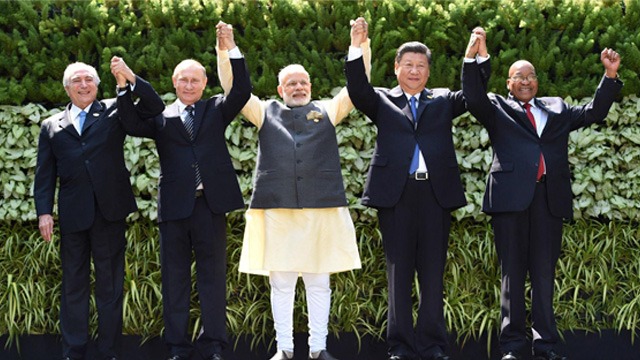
His diplomatic efforts have focused on building strong partnerships, enhancing trade relations, and addressing global challenges. Modi’s international visits have contributed to improving India’s image as a growing global power.
Lessons from Narendra Modi’s Journey
The life journey of Narendra Modi is not just a story of success—it is a study in mindset, discipline, and leadership. When examined more closely, it offers deeper lessons that go beyond surface-level inspiration:
Resilience in the Face of Adversity
Modi’s early life was marked by economic hardship and limited opportunities. Instead of allowing these challenges to define him, he used them as motivation to push forward. This highlights a deeper truth: adversity can either limit a person or strengthen them, depending on how they respond. True perseverance is not just about working hard, but about maintaining focus and purpose despite setbacks.
Dream Beyond Limitations
One of the defining aspects of his journey is the ability to think long-term. His rise reflects not only ambition but also strategic thinking and patience. This teaches that success is rarely immediate—it requires clarity of goals, consistent effort, and the discipline to stay committed over time.
Adaptability in a Changing World
Throughout his career, Modi has shown the ability to adapt to new roles, responsibilities, and challenges. Whether in governance, communication, or technology, his approach reflects a willingness to evolve. This underlines the importance of staying flexible and open-minded in a rapidly changing world.
Communication and Connection as Leadership Tools
A key element of his leadership style is his ability to communicate effectively with people from diverse backgrounds. His journey demonstrates that leadership is not only about decision-making but also about building trust, conveying ideas clearly, and creating a sense of shared purpose.
Self-Belief and Inner Discipline
Behind his public achievements lies a strong sense of self-discipline and belief in his mission. His routine, focus, and consistency reflect the importance of inner strength. This shows that lasting success is often built on habits, discipline, and a clear sense of identity.
A Story that Inspires & Influences Millions of Youth
The story of Narendra Modi has had a profound impact on India’s youth, not just as a success story but as a model of possibility.
Many young individuals see in him a reflection of what can be achieved through determination and vision, regardless of background. His emphasis on entrepreneurship, digital transformation, and skill development aligns with the aspirations of a new generation that seeks independence and innovation.
Initiatives encouraging startups, technological growth, and self-reliance have helped create an ecosystem where young people are more willing to take risks, think creatively, and contribute actively to the country’s progress.
The journey of Narendra Modi—from a tea seller in Vadnagar to the Prime Minister of India—is more than just a personal success story. It is a reflection of what can be achieved through determination, discipline, and a clear vision.
His life continues to inspire millions across India and beyond, serving as a reminder that no dream is too big and no background too humble to achieve greatness.
Conclusion
The inspiring journey of Narendra Modi stands as a testament to the power of perseverance and vision. From his early days in Vadnagar to leading India on the global stage, his life reflects determination and resilience. While perspectives on his leadership may vary, his story undeniably motivates individuals to overcome challenges and strive for success.
In a world where opportunities often seem unequal, Narendra Modi’s journey proves that dedication, hard work, and belief in oneself can lead to extraordinary achievements.
His legacy continues to evolve, but one thing remains certain—his story will inspire generations to come…
(Explore More About Nation Related Blogs)
(Know More About Chrysalis High)
Written By – Rajeshwari R,
Academic Coordinator – Chrysalis High Varthur
Frequently Asked Questions
Narendra Modi’s journey is a powerful narrative of resilience, rising from a humble tea seller in Vadnagar, Gujarat, to becoming the 14th Prime Minister of India. His story highlights how discipline, grassroots engagement, and a clear vision for “New India” can lead to extraordinary leadership on the global stage.
Working at his father’s tea stall taught him the value of hard work and gave him a deep understanding of the challenges faced by common citizens. These early experiences, combined with his time as a dedicated pracharak in the RSS, shaped his administrative efficiency and his ability to connect with millions of people.
Since 2014, PM Modi has introduced transformational reforms such as Digital India for technological growth, Swachh Bharat Abhiyan for national sanitation, and the Jan Dhan Yojana for financial inclusion. His leadership has focused on making India a self-reliant global manufacturing hub through the Make in India initiative.
The “Gujarat Model” refers to the period between 2001 and 2014 when Narendra Modi served as Chief Minister. It is characterized by rapid industrialization, improved infrastructure, and streamlined governance, which served as the foundation for his national campaign of “Sabka Saath, Sabka Vikas.”
He began his journey with the RSS, later joined the BJP, served as Gujarat’s Chief Minister for over a decade, and eventually became Prime Minister in 2014 with a strong development agenda.
Narendra Modi made history by securing three consecutive terms as Prime Minister (2014, 2019, and 2024). This feat, previously achieved only by Jawaharlal Nehru, reflects sustained public trust in his vision for India’s development and global influence.
Latest Posts:
- What Makes Chrysalis High the Smart Choice for Bannerghatta Families
- What Happens Inside a Classroom? A Day in the Life of a Chrysalis High Student
- Looking for the Best School Near You: Explore Chrysalis High’s Campuses Across Bangalore
- What Makes Chrysalis High, Kadugodi a Preferred School for Modern Families