A strong partnership between parents and teachers is one of the most powerful influences on a child’s academic success. While teachers guide learning in the classroom, parental involvement in education plays an equally important role at home by creating an environment where curiosity, confidence, and responsibility can thrive. When both sides work together, students feel supported, motivated, and ready to achieve their full potential.
1. Establish a Calm and Consistent After-School Routine
Children feel safe, organized, and ready to learn when they follow a predictable schedule. A structured routine helps them balance homework, hobbies, rest, and play without feeling overwhelmed. Setting aside specific times for schoolwork, reading, and relaxation brings stability and helps children develop good habits—something we value deeply at Chrysalis High. This routine also reduces stress and prevents last-minute homework rushes, creating a more positive relationship with learning.
2. Create a Dedicated Learning Space
A well-designed study area can significantly improve a child’s focus and productivity. Choose a quiet corner free from distractions such as television, loud conversations, and unnecessary gadgets. Keep essential supplies like notebooks, stationery, and reference materials within reach. When children have a space that belongs to their learning, they take more ownership and pride in their work. This environment also conveys the message that learning is important and supported at home.
3. Encourage Daily Reading Habits
Reading is one of the most powerful tools for cognitive development. Encouraging your child to read daily—whether storybooks, nonfiction, comics, or school materials—helps strengthen vocabulary, imagination, comprehension, and communication skills. Parents can read alongside their children, discuss stories, or simply talk about interesting facts they learned. At Chrysalis High, we emphasize the joy of reading, and your support at home reinforces this culture beautifully.
4. Maintain Open Communication With Teachers
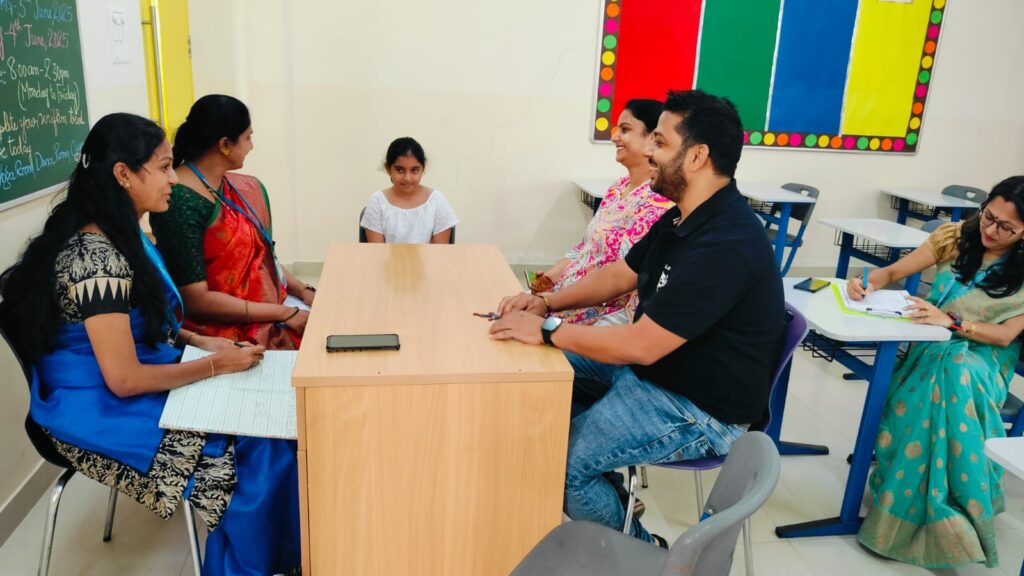
A strong parent–teacher relationship is central to a child’s success. Stay connected with teachers through school apps, emails, parent–teacher meetings, and classroom updates. Understanding what your child is learning, upcoming assessments, and behavioural expectations helps you support them more effectively at home. Teachers appreciate your involvement and insights, which help create a fuller picture of your child’s needs. Open communication prevents misunderstandings and ensures that both school and home work in harmony.
5. Extend Learning Through Everyday Activities
Learning does not end when school ends—life itself becomes a classroom. Simple activities like baking, gardening, shopping, or planning a trip can reinforce academic concepts such as math, science, budgeting, and problem-solving. When parents connect classroom learning to real-life situations, children find education meaningful and enjoyable. This hands-on experience encourages curiosity and strengthens understanding in a natural, effortless way.
6. Promote Independence and Problem-Solving
As parents, it can be tempting to correct your child’s work or step in immediately when they face difficulty. However, allowing them the space to think, attempt solutions, and make mistakes builds resilience and independence. Guide them with questions rather than giving direct answers. Celebrate effort, not just results. These small moments of growth prepare children to handle challenges confidently—something we deeply nurture at Chrysalis High.
7. Cultivate a Growth Mindset
A growth mindset teaches children that abilities can improve with practice and perseverance. Encourage them to view mistakes as learning opportunities and praise their hard work, consistency, and curiosity. Avoid focusing only on grades; instead, emphasize improvement and understanding. When children believe they can grow through effort, they approach learning with more enthusiasm, courage, and determination.
8. Support Health and Emotional Well-Being
A healthy body and mind are essential for successful learning. Ensure your child gets adequate sleep, nutritious meals, and daily physical activity. Encourage open conversations about their feelings—joy, frustration, stress, or excitement. When children feel emotionally supported, they are better able to focus and perform academically. At Chrysalis High, emotional well-being is as important as academic achievement, and your engagement at home strengthens this balance.
9. Encourage Open Conversations About School
Show interest in your child’s school day. Ask them what they enjoyed, what challenged them, and what they learned. These conversations boost confidence, improve communication, and make children feel valued. They also offer insights into their academic or social struggles, helping you understand when to step in or seek teacher support.
10. Use Technology Wisely and Responsibly
Today’s learners often rely on digital tools for research, assignments, and communication. While technology can enhance learning, it must be used responsibly. Encourage your child to complete educational tasks before recreational screen time. Monitor internet safety, set limits on device usage, and guide them on digital etiquette. This balance helps children stay focused, safe, and disciplined.
11. Be a Role Model for Lifelong Learning
Children observe and learn from the adults around them. When you show enthusiasm for reading, exploring new ideas, or learning new skills, they naturally adopt the same mindset. Share interesting facts, read books, or engage in creative hobbies—your example may inspire them more than you realize.
12. Set Realistic Goals Together
Work with your child to set achievable academic and personal goals. This could include finishing a book, improving writing skills, practicing math, or learning a new sport. Track progress together and celebrate milestones. Goal-setting teaches responsibility, perseverance, and self-motivation.
13. Engage in School Events and Activities
Chrysalis High organizes a wide range of events—exhibitions, sports days, cultural programs, and parent sessions. Participating in these events shows your child that you value their school life. It fosters belonging, boosts confidence, and strengthens the home–school connection.
14. Teach Organization and Time Management
Help your child develop organizational habits such as packing their school bag, keeping materials tidy, and managing deadlines. These foundational skills reduce stress and prepare them for long-term success both in school and life.
15. Build a Strong Home–School Trust
Finally, trust and collaboration between parents and teachers create the strongest support system for a child. Share observations, respect each other’s perspectives, and work together toward the common goal of helping your child grow. When children see their parents and teachers united, they feel secure, motivated, and ready to thrive.
Parent Teacher Partnership at Chrysalis High: How Parents Can Support Learning After School
At Chrysalis High, we believe that children flourish when school and home work together with a shared purpose, highlighting the parents role in child education. While teachers nurture academic and emotional growth during the school day, parents play a powerful and complementary role at home. By staying engaged and supportive after school hours, parents help create a strong learning ecosystem in which every child can thrive.
Together, We Help Every Child Thrive
At Chrysalis High, the partnership between parents and teachers forms the foundation of our learning community. By supporting children both at school and at home, we empower them to grow academically, emotionally, and socially. When we work together, every child can truly shine.
Together, We Shape Futures
At Chrysalis High, we see education as a collaborative partnership, highlighting the importance of parents-teachers association in a child’s learning journey. With strong engagement between parents and teachers, each child receives a solid foundation to excel academically and personally. Together, we empower learners to grow as confident, inquisitive, and empathetic individuals prepared for tomorrow’s world.
Explore more Parent Corner blogs
Know more about Chrysalis High
Written By – Ichini Sharmista Shyam,
Academic Coordinator – Chrysalis High Varthur
Frequently Asked Questions
A strong parent–teacher partnership ensures consistent support, better communication, and a shared understanding of a child’s academic and emotional needs.
Parents play a vital role in education by setting routines, encouraging reading, promoting independence, and connecting school lessons to daily life activities. This consistent involvement strengthens learning beyond the classroom.
Regular communication helps parents stay informed about progress, challenges, and expectations, allowing timely and effective support at home.
A structured routine reduces stress, builds discipline, and helps children balance homework, rest, and extracurricular activities effectively.
At Chrysalis High School, parents are encouraged to engage through regular communication, school events, workshops, and collaborative learning initiatives that support holistic child development.
Turn everyday tasks into learning opportunities. Involve your child in budgeting for groceries (math), reading recipes while baking (comprehension/following instructions), or identifying plants while gardening (science). This makes learning tangible and fun.