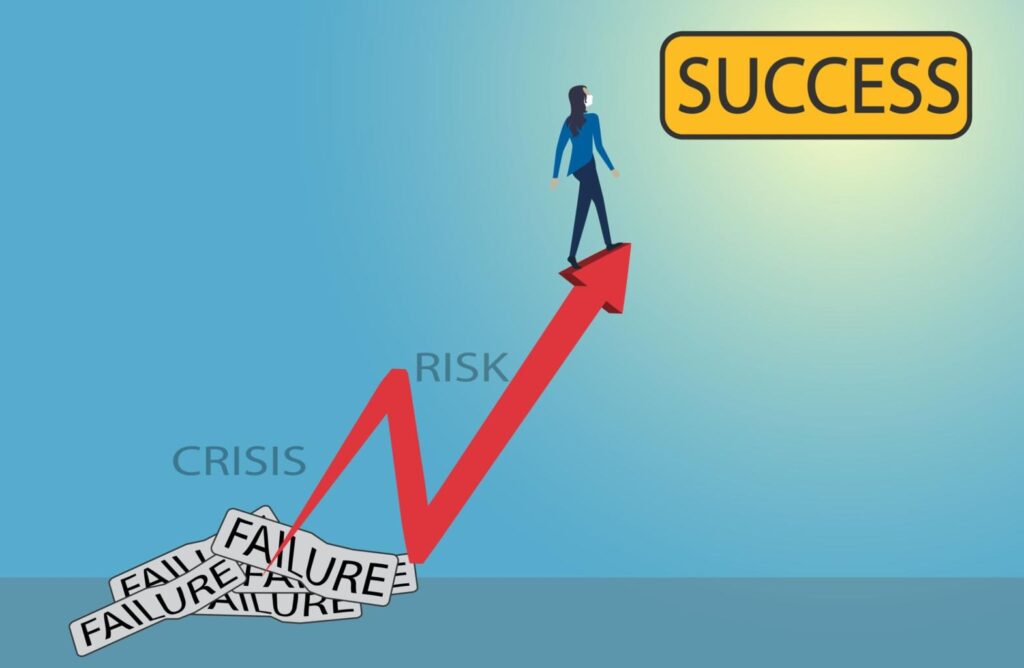

Failure has always been associated with bad and undesirable connotations for a long time. People have always dreaded the possibility of failure in their lives. Professionals dreaded the possibility of failure in their work, students dreaded the possibility of failure in their exams, and people dreaded the possibility of failure in their endeavours and undertakings. Only success and perfect results were celebrated in society. However, the contemporary world is slowly changing this perception of failure.
Currently, educators, psychologists, and successful entrepreneurs believe that failure is the only path to success. People have realized that failure is a part of the growth and development process and not a sign of defeat. Many successful people have achieved success in the fields of science, business, sports, and education due to failure and growth from failure.
Understanding What Failure Really Means
Failure is not a permanent state of being; rather, failure is a temporary state of being where the result of the action is not in line with the desired result. However, failure does not mean that the person has lost his or her talent and potential; rather, failure only shows that the approach was not effective for the desired result. Because every new endeavour involves a leap into the unknown, encountering friction or making errors is a statistical certainty rather than a personal flaw.
The real transformation happens when we shift our internal narrative. When we stop viewing a “loss” as a final verdict on our worth and start treating it as a laboratory experiment, our motivation remains intact. Each setback provides a unique set of variables and insights that success could never reveal. By analyzing these gaps, we can pivot, recalibrate our tactics, and move forward with a more sophisticated strategy than we had when we started.
Learning from Failure
One of the greatest benefits of failure is the opportunity for learning from failure. When individuals fail, they are encouraged to analyse their mistakes carefully. This reflection helps them understand what went wrong and how they can improve their approach in the future.
Learning from failure develops several essential life skills, such as:
- Resilience – the ability to recover from setbacks
- Critical thinking – analysing situations more carefully
- Problem-solving skills – finding better solutions
- Patience and perseverance – continuing despite challenges
For example, a student who fails to solve a difficult problem may revisit the concept, practise more, and eventually master it. In this way, failure becomes a powerful teacher.
The Fear of Failure
Have you ever felt that gut-wrenching dread of messing up? It’s something tonnes of us grapple with, even though failure has this sneaky way of sparking real growth and breakthroughs. That fear often freezes us in place, stopping us from rolling the dice on bold risks or diving into exciting new paths. Deep down, it’s usually tied to raw worries like what if people judge me harshly, or I end up red-faced with embarrassment, or worse, I let down friends and family who believe in me?
The irony? When we go all-out to dodge failure at every turn, we’re actually sabotaging our own potential. Picture this: by always playing it safe, we skip the thrill of mastering fresh skills and collecting those priceless, hard-won experiences that make life richer. I’ve been there myself, stuck in that comfort zone, watching opportunities slip by because “what if I fail?” But overcoming it starts with a simple mindset pivot. What if we welcomed mistakes not as disasters, but as the gritty, unavoidable stepping stones to becoming better versions of ourselves? They’re like the plot twists in our personal stories that force us to adapt, learn, and shine.
Today’s workplaces and schools are progressively promoting a growth mindset, in which errors are viewed as teaching moments rather than as grounds for punishment.
Ways to Be Successful Through Failure
There are several ways to be successful, and accepting failure plays an important role in achieving success.
1. Accept Failure as a Learning Opportunity
Successful individuals do not allow failure to discourage them. They view it as a lesson that helps them grow.
2. Reflect and Improve
After every failure, it is important to reflect on what went wrong and what could be done differently next time.
3. Stay Persistent
Persistence is one of the most important qualities of successful people. They continue working toward their goals despite setbacks.
4. Develop Confidence
Confidence grows when individuals understand that failure is temporary and improvement is always possible.
5. Continue Learning
Successful people constantly update their knowledge and skills. Learning never stops, and failure often guides this learning process.
Why Failure Is a Modern Success Skill
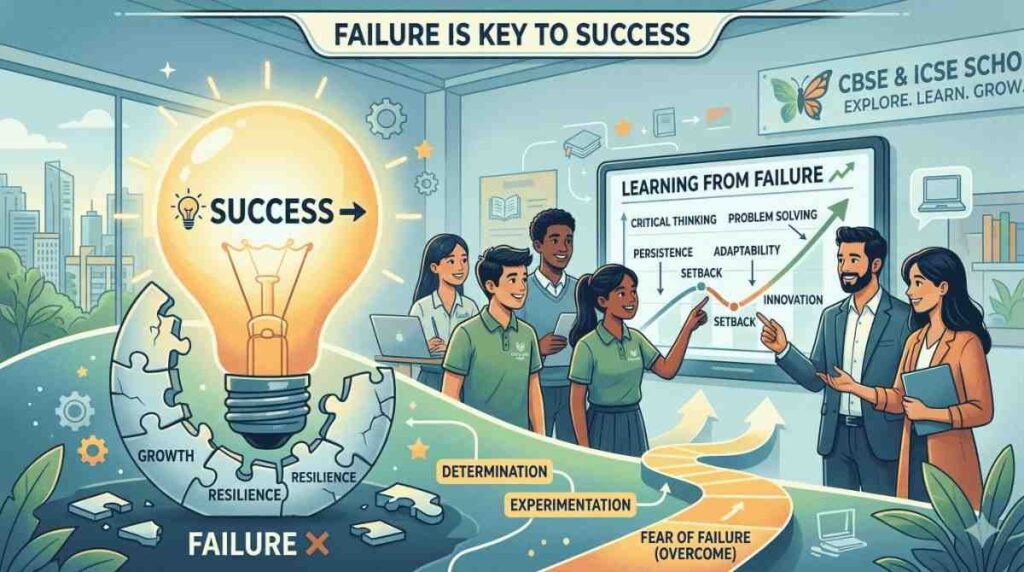
In today’s rapidly changing world, adaptability is key to staying ahead. Think about it: new challenges pop up every day, from unexpected job shifts to career paths we never imagined and technologies that evolve faster than we can keep up. Quick learners handle these twists way better. They spot opportunities where others see roadblocks and pivot without missing a beat.
People who embrace failure often turn out to be the most inventive and creative ones around. Why? Because they’re not afraid to experiment. They try wild ideas, test new concepts, and use slip-ups as fuel to improve. For example, imagine an entrepreneur launching a startup. Their first app might flop, but instead of quitting, they tweak it based on what went wrong, and boom, version two takes off. Or take a coder facing a buggy project: each debug teaches them tricks that make future work sharper.
That’s why so many experts call the ability to handle failure one of the top skills for success today. It’s not just about bouncing back; it’s about turning “I failed” into “What can I learn?” In schools and jobs pushing growth mindsets, this idea is everywhere. Leaders like those at Google even celebrate “smart failures” that lead to big wins. Without it, we’d all be stuck, too scared to adapt.
Conclusion
Failure should no longer be seen as a symbol of defeat. Instead, it should be recognised as an important step in the journey toward success. Many achievements in history were built upon lessons learned from repeated failures.
When individuals understand that failure is key to success, they begin to approach challenges with courage and determination. By overcoming the fear of failure, focusing on learning from failure, and adopting effective ways to be successful, people can transform setbacks into opportunities.
In the end, failure is not the opposite of success but an essential part of the path to it, and those who embrace it discover that every mistake brings them one step closer to their goals. Just look at Thomas Edison, who faced over 1,000 failed tries before inventing the light bulb, treating each one as a lesson that paved his way to victory. The same holds true in daily life, whether it’s a student turning a bad test into a top score through smarter study or an athlete building strength from practice falls to shine in competition. You can unlock creativity, grit, and adaptability for our rapidly evolving world by embracing setbacks, demonstrating what experts have long known: this mindset turns setbacks into your greatest strength and illuminates the real path to big wins.
(Explore More About Child Learning Blogs)
(Know more about Chrysalis High)
Written By – Sharmila Yellapu,
Secondary Teacher – Chrysalis High, Bannerghatta Road
Frequently Asked Questions
Failure is considered the key to success because it provides valuable lessons. Each mistake teaches individuals what needs improvement, helping them develop better strategies for future success.
Failure leads to success when individuals learn from their mistakes and apply those lessons in future attempts. Each failure helps refine skills, improve decisions, and build resilience.
The fear of failure often comes from the fear of criticism, embarrassment, or disappointing others. Social pressure and expectations can also contribute to this fear.
The fear of failure can be overcome by changing one’s mindset. Accepting that mistakes are part of learning, setting realistic goals, and focusing on progress rather than perfection can help reduce this fear.
Some effective ways to be successful include learning from mistakes, staying persistent, maintaining a positive attitude, seeking feedback, and continuously improving skills.
Yes, Chrysalis High is consistently recognized as one of the top 10 CBSE & ICSE schools in Bangalore. The school is celebrated for its holistic “PUPA” and “CHAMPS” programs, which focus on character building and academic excellence, ensuring students are prepared for the “exam called life” by embracing a growth mindset.
Learning from failure helps students build resilience, develop problem-solving skills, and improve their understanding of concepts. It prepares them to face challenges confidently in the future.