“Ask not what your country can do for you—ask what you can do for your country.” These timeless words resonate deeply every 26 January Republic Day, also known as Gantantra Diwas. This national celebration is more than a remembrance of the 26 January 1950 day when the Constitution of India came into force—it is a tribute to democracy, responsibility, and the power of citizens, especially the youth.
As we approach Republic Day 2026, the role of young citizens in shaping India’s future has never been more crucial. Students are not merely observers of national progress; they are active contributors and future leaders. Schools serve as the foundation where values like equality, justice, discipline, and patriotism are instilled from an early age.
By introducing constitutional principles in education, children learn that nation-building begins with everyday actions. Whether it is understanding civic duties or participating in community initiatives, young minds quickly realize that democracy thrives on participation. This blog explores how young citizens, guided by parents and teachers, are shaping India’s tomorrow.
What Is Republic Day and Why It Matters
26 January Republic Day commemorates the day India became a sovereign, democratic republic. On the historic 26 January 1950 day, the Indian Constitution replaced the Government of India Act, giving citizens the power of self-governance and ensuring justice, liberty, and equality.
While the grand Republic Day Parade captures national attention, the true spirit of the day lies in civic awareness. For students, Republic Day becomes an entry point to understand democracy, secularism, and the rule of law. Learning about the Constitution helps children appreciate that freedom comes with responsibility and respect for diversity.
Why Young Citizens Are Key to India’s Future
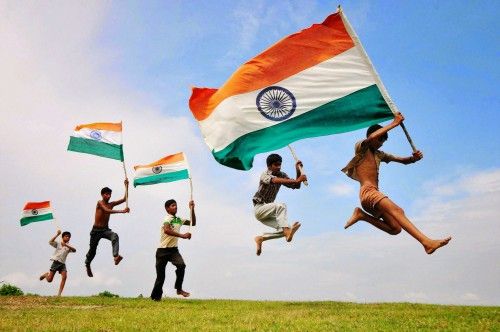
Young Minds, Strong Nation
Children form the backbone of India’s future. The values they adopt today will define the nation tomorrow. By nurturing honesty, empathy, and civic responsibility, we strengthen the democratic fabric of the country.
Young citizens influence society through conscious choices—protecting public property, respecting laws, and helping others. Schools encourage critical thinking, allowing students to balance national pride with a global outlook. An informed and responsible student is one of India’s greatest assets.
How Schools Celebrate Republic Day with Purpose
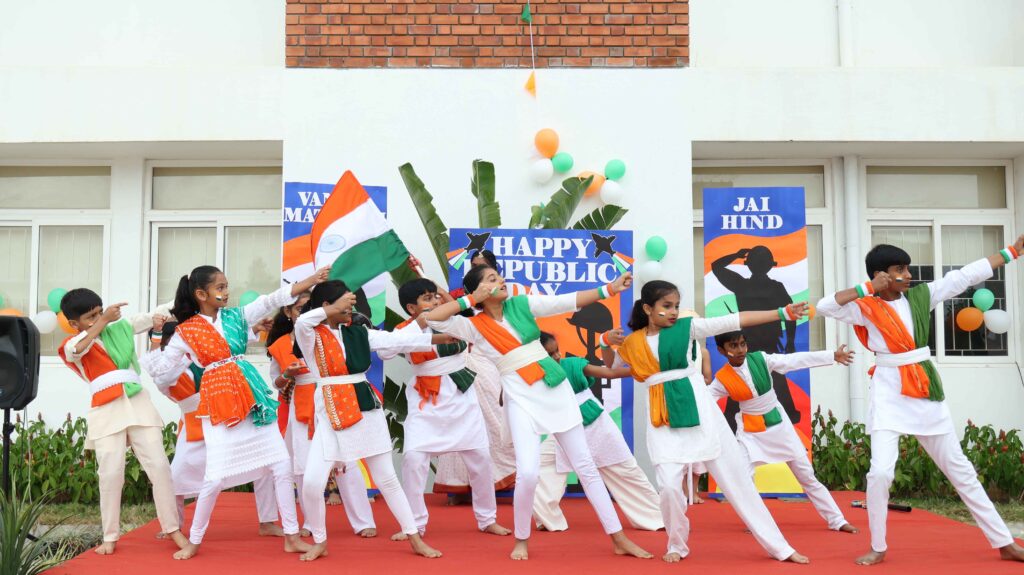
Schools as Nurseries of Democracy
Across India, schools celebrate Gantantra Diwas with meaningful activities such as:
- Flag hoisting and patriotic assemblies
- Student speeches on constitutional values
- Skits depicting democracy and justice
- Art, essay, and quiz competitions
- Cultural performances reflecting India’s diversity
These activities help students emotionally connect with the ideals behind 26 January Republic Day.
Integrating Constitutional Values into Daily Learning
The spirit of Republic Day goes beyond one celebration. Schools reinforce citizenship by:
- Linking social science lessons to real-world events
- Teaching rights and duties in value education
- Sharing stories of freedom fighters and unsung heroes
- Organizing mock parliaments and student councils
Benefits of Teaching Citizenship Early
- Builds civic sense: Encourages respect for laws and public spaces
- Fosters unity: Promotes harmony in diversity
- Develops leadership: Enhances confidence and decision-making
- Promotes ethics: Strengthens moral responsibility
- Ignites commitment: Aligns personal growth with national progress
Real-Life Examples of Student-Led Change
Across the country, students are leading impactful initiatives—from zero-waste school campuses to cleanliness drives and voter awareness campaigns. Student councils now function as platforms for accountability and leadership. These examples prove that young citizens do not wait for the future; they actively build it.
How Parents and Teachers Can Support Young Citizens
For Parents:
- Be role models of responsible citizenship
- Discuss national issues and Republic Day significance at home
For Teachers:
- Encourage curiosity and questioning
- Connect classroom lessons to real-life civic responsibilities
Together, parents and teachers help transform Republic Day values into lifelong habits.
Conclusion
Republic Day 2026 reminds us that democracy is not passive—it requires participation. As we celebrate 26 January Republic Day with pride, including the iconic Republic Day Parade, let us recommit to nurturing responsible, informed young citizens.
By teaching children to respect the Constitution and embrace their duties, we prepare compassionate leaders for the nation. This Gantantra Diwas, let us inspire our youth to shape India’s tomorrow—one responsible action at a time.
(Explore more about our blogs)
(Know more about Chrysalis High)
Written By – Rajeshwari R,
Academic Coordinator – Chrysalis High Varthur
Frequently Asked Questions
Republic Day, or Gantantra Diwas, celebrates the 26 January 1950 day when India’s Constitution came into force, marking the birth of a sovereign democratic republic. It emphasizes justice, liberty, equality, and civic responsibility.
Gantantra Diwas celebrates India becoming a sovereign democratic republic. It reminds citizens—especially the youth—of equality, justice, and the power of participation in a democracy.
The Republic Day Parade at Kartavya Path is a grand showcase of India’s military might, cultural diversity, and technological progress. For students, watching the parade is an inspiring experience that fosters national pride and showcases the various avenues—from defense to science—where they can serve the country in the future.
Although the Constitution was adopted on 26 November 1949, the 26 January 1950 day was chosen for its implementation to honor the Purna Swaraj (Complete Independence) declaration of 1930. This historical connection teaches young citizens the importance of perseverance and honoring the legacy of our freedom fighters.
Republic Day 2026 highlights the growing role of young citizens in shaping India’s tomorrow through leadership, innovation, civic awareness, and ethical decision-making in a rapidly changing world.
At Chrysalis high, Republic Day is celebrated as a learning experience where students engage in discussions, cultural programs, and activities that connect constitutional values with real-life citizenship and leadership.